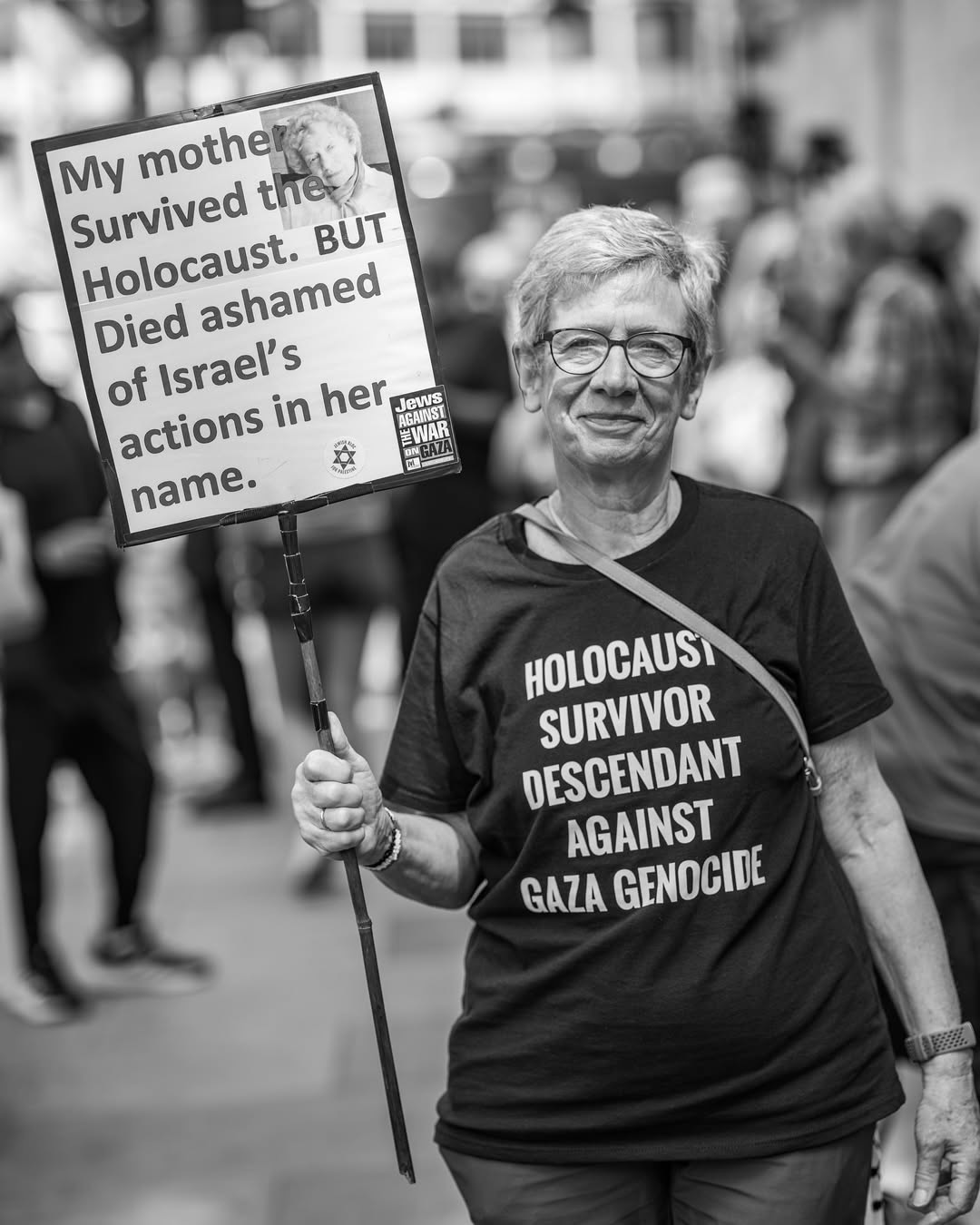
Miranda Pinch’s Story
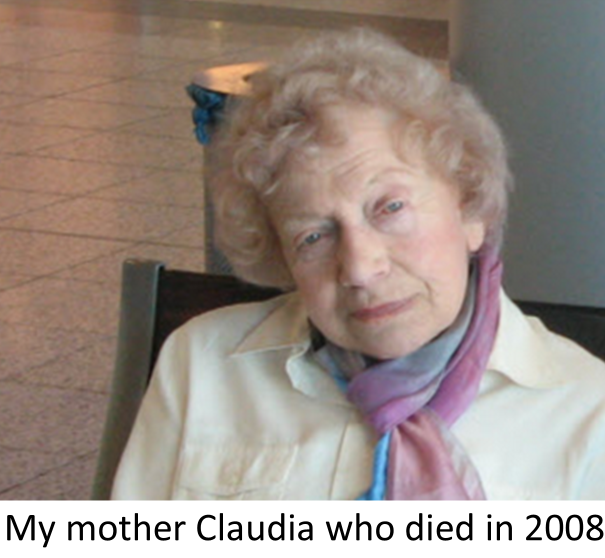
My mother, Claudia Sommer, came to the UK in 1938 from the region of Czechoslovakia known as the Sudetenland after its annexation by Germany. Her mother, Lela, and father, Ernst, also came, but separately. Other members of the family perished.
As the situation deteriorated for them at home, they had discussed where they might emigrate and had considered the Congo and other places, but Claudia insisted that they come to the UK.
Ernst Sommer was a Jewish German-Bohemian writer, lawyer, city councillor and Social Democratic activist in Karlsbad/Karlovy Vary. Although he was on the Nazi death list early on as a magistrate and agitator, he waited too long to leave and had to leave everything behind in a hurry.
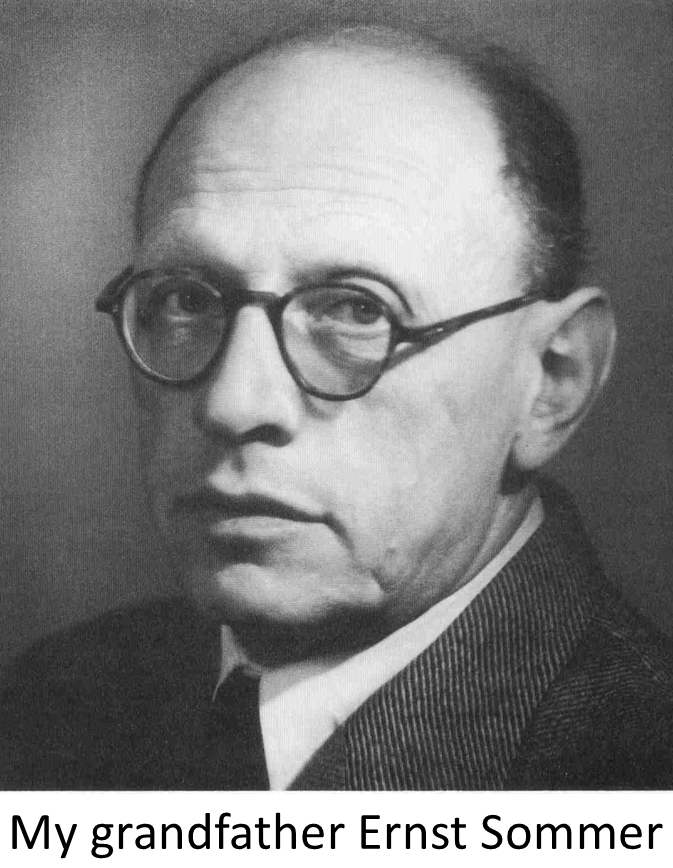
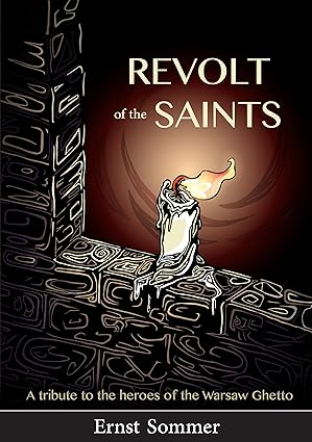
Ernst was barred from practising law in Britain, but he continued to write, and a grant from the Czech Government in Exile enabled him to devote his time to this. His 1942 short story Die Gaskammer (The Gas Chamber) and the novel Revolte der Heiligen (Revolt of the Saints) written in 1943 may be the earliest literary accounts of the Holocaust. The novel is set in a German forced labour camp in occupied Poland. Ernst sets the plight of the Jewish prisoners in the context of the political conflict between Nazis bent on their extermination and those who argued that they should be kept alive as long as their labour benefited the German war effort. Their uprising, the climax of the novel, allows him to investigate the importance of Jewish resistance to the Nazis and the reasons for its absence, in particular the role of the Jewish Councils in impeding active resistance, aided by the long Jewish tradition of passive endurance of persecution.
After the war Ernst learned that his mother had committed suicide in Theresienstadt and his sister had died in Auschwitz. In July 1946 he attempted to reactivate his Czech citizenship, but there was no place for the German-speaking minority in post-war Czechoslovakia, so he remained in exile in London where he was eventually permitted to practise as a consultant in international law. He died at the age of 66 in 1955.
My grandmother, Lela Sommer, intended to leave with her daughter, but her passport did not have enough space for the British stamp so she was forced, by the British authorities to obtain a new passport before she could leave. Had she not had influential friends who could act fast for her, she would have been left behind and perished along with other members of her family.
My mother, Claudia, who was 18 at the time, travelled on her own and recounts how she helped other passengers hide jewellery from the German guards patrolling the train. When she arrived in London, she became an au pair as she was not allowed any other employment. She recounts how, early on, the British authorities decided to confiscate bicycles from all German speaking refugees considered "enemy aliens" and she had taken her bike very tearfully to a police station. A very kind policeman asked her if she had a friend she could give the bike to, so that she did not have to hand it in.
Claudia married a non-Jewish Englishman and neither I nor my sister were brought up as Jews. She refused to teach us German as she was too afraid of speaking it in public. In fact, she hid her Jewishness for most of her life and was ashamed that those Jews who emigrated to what became Israel treated the Palestinians so badly.
For those reasons Palestine was always on my radar, and in 2009 I spent 3 months in Hebron as a human rights observer for the Ecumenical Accompaniment Programme in Palestine and Israel (EAPPI), which provides protection by presence for Palestinians living in the West Bank and monitors human rights abuses. Sadly, Claudia died before I went, but she knew that I was applying.
Since then I have given many presentations, travelled to Israel and Palestine extensively, and become involved in human rights activism, which includes the production of the film ‘Balfour to Banksy’, being on the executive of Lib Dem Friends of Palestine, working with the British Palestine Project and, as a Director of CAMPAIN, tackling misrepresentation in the media, which very much includes reporting on Israel and Palestine.
I cannot begin to understand how Jews who escaped the Holocaust and their descendants can be inflicting such treatment on Palestinians since 1948 with the creation of Israel, followed by the long-standing occupation of Palestinian land and oppression and ethnic cleansing of the Palestinian people. This history did not start on 7th October 2023. In many ways, Israel’s grotesque behaviour in the West Bank, East Jerusalem and Gaza made some sort of uprising inevitable. I stand with many Jews who understand that and know that to equate Judaism with the policies of the Israeli government is to endanger all Diaspora Jews and is the greatest antisemitism of all.
To demand human rights and equality for one group of people should never mean denying those rights to any other group. I therefore stand proudly with Jews and non-Jews alike who believe in human rights and equality for all, and that no one group of people is entitled to subjugate or dispossess another.