Our Stories
These are some of the personal histories of survivors and descendants in their own words. They tell the story of how they or their parents or grandparents experienced and survived the Holocaust and how their families suffered, died or lost their homes, friends, livelihoods and more.
They also explain why their family histories and memories make the suffering of the Palestinian people intensely relevant and abhorrent for them and why they reject the notion that the dreadful evil inflicted on the Jewish people in the Holocaust in any way justifies the war crimes, crimes against humanity and genocide, which the Israeli government and its armed forces and ‘settlers’ are perpetrating against the people of Palestine.
These stories are not simply a memorial to past suffering. Sharing our family experiences is an act of care towards our own histories and a statement of solidarity with the people facing dispossession, discrimination and violence today in Palestine. They stand as a warning and a testament to the principle:
Never again for all!
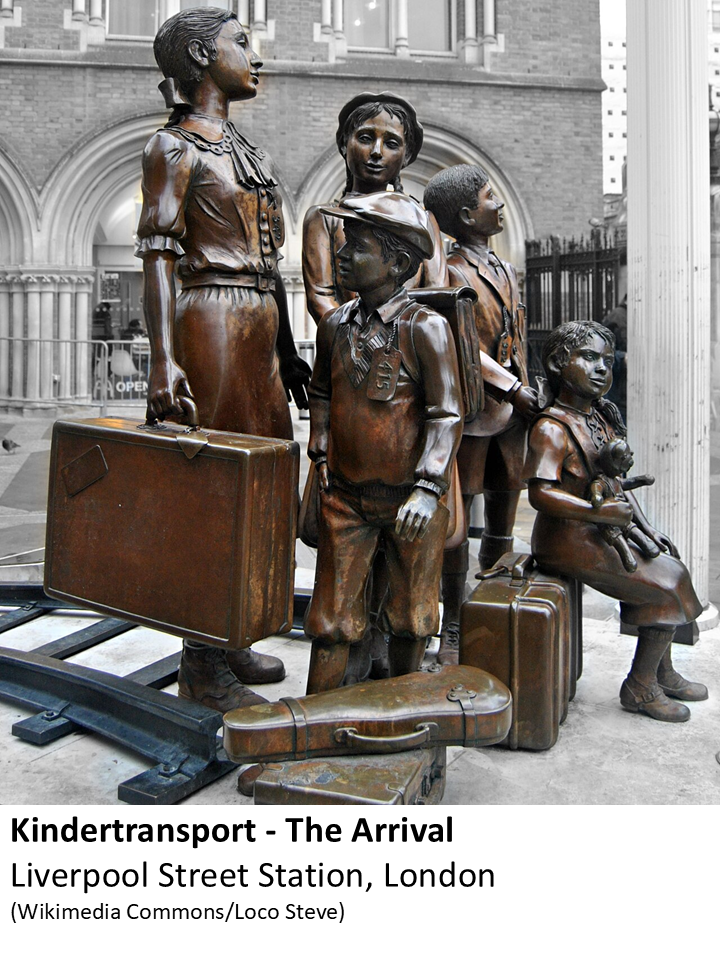
Click on a name to read their story.
Child Holocaust survivor from Hungary - Musician
Daughter of a Holocaust survivor from Germany - Playwright and author
Daughter of a Holocaust survivor from Czechoslovakia - Retired Social Worker
Son of a Holocaust survivor from Austria - Retired British Army officer
Daughter of a Holocaust survivor from Poland - Educator/Trainer
Grandson of Holocaust survivors from Austria - Community Musician
Daughters of a Holocaust survivor from Austria – Charlotte: Retired civil servant; Perdie: Foster parent for unaccompanied child migrants
Son of a Holocaust survivor from Hungary – GP and Medical Academic
Agnes Kory’s Story
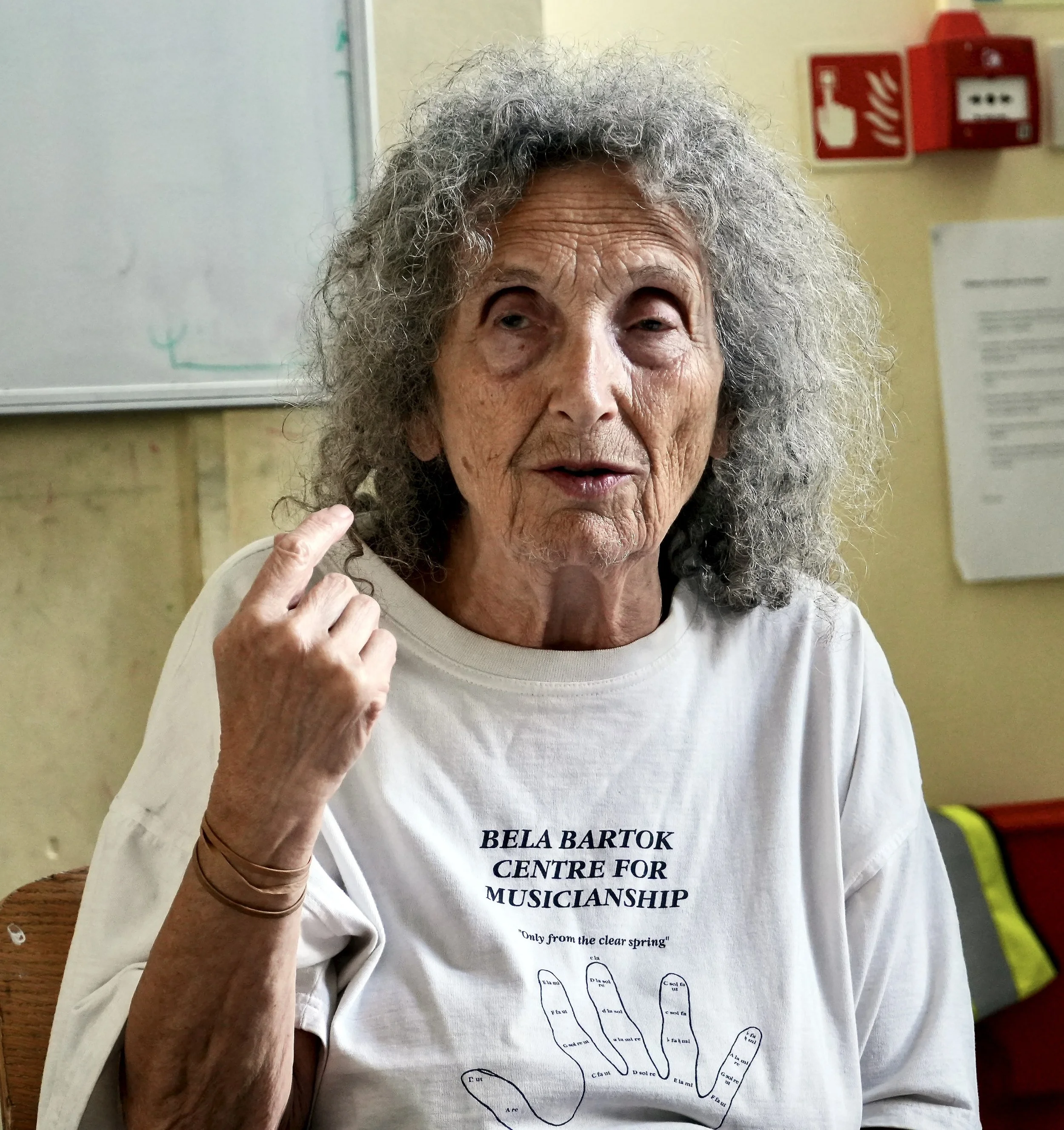
I was born in Budapest (Hungary) in December 1944, at the peak of the murderous Arrow Cross Party's reign. The Arrow Cross Party was a far-right Hungarian ultranationalist fascist party - led by Ferenc Szálasi - which formed a government in Hungary from October 1944 to April 1945 that collaborated with Nazi Germany.
The Germans had invaded Hungary in March 1944. During the period of May - July 1944, Hungarian gendarmerie officials - under the guidance of German SS officials - deported around 440,000 Jews from Hungary. Most were deported to Auschwitz-Birkenau, where, upon arrival and after selection, SS functionaries killed the majority of them in gas chambers.
Thousands were also sent to the border with Austria to be deployed at digging fortification trenches. By the end of July 1944, the only Jewish community left in Hungary was that of Budapest, the capital.
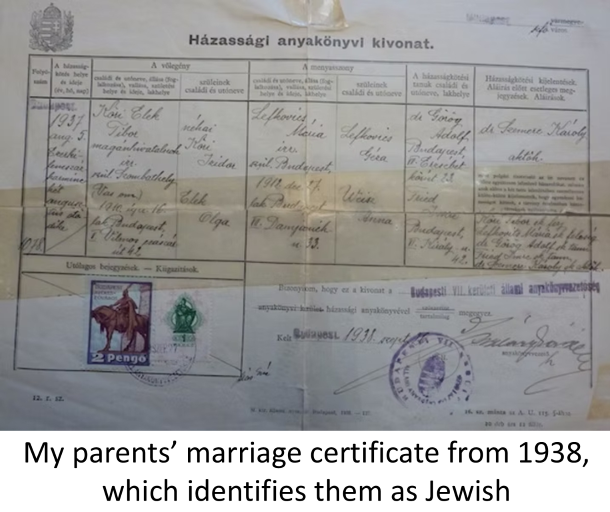
Sonja Linden’s Story
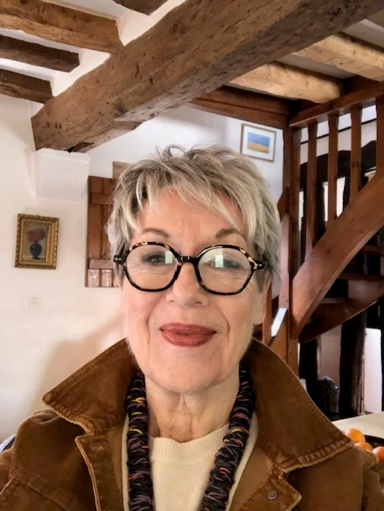
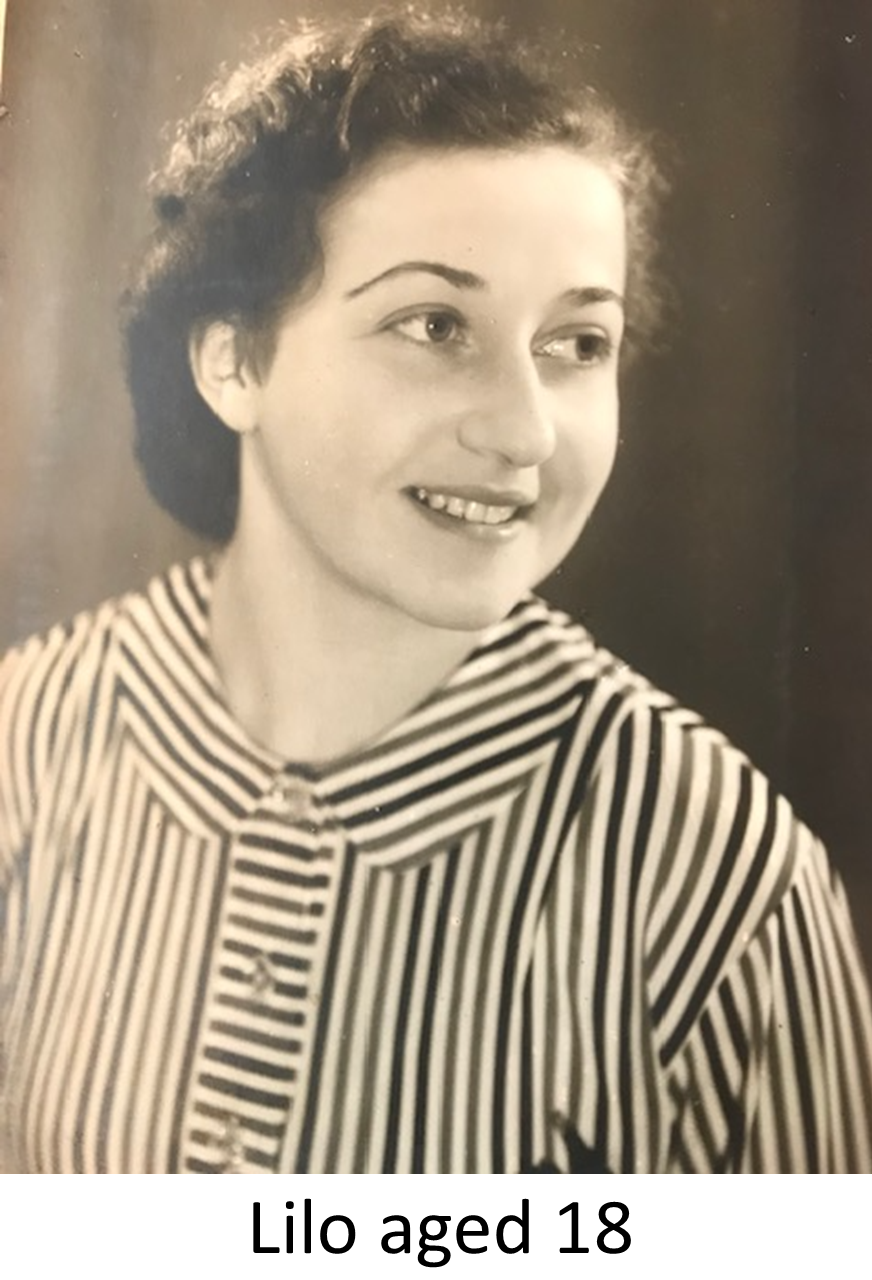
My mother, Liselotte Judas, was born to Ernestine Judas (née Kaufmann) and Abraham Judas in 1920 in Freiburg in Baden, Southwest Germany. She grew up in a middle class Orthodox Jewish family, the eldest of three children, her brother Hans being born in 1922 and her sister Ilse in 1924.
At that time Germany was recovering from the devastating impact of the First World War and the deprivations caused by the Treaty of Versailles. The consequences of this meant that Lilo, as my mother was called, and her brother and sister were growing up under the emerging shadow of the Nazis. 1933 was a crucial turning point year for her family. It was the year that her mother died aged 46 of breast cancer, leaving behind three devastated children under thirteen. It was also the year that Hitler came to power
“When I was 13, I joined a Jewish club, Maccabi and we went on shooting practice in the Black Forest. We were getting prepared. Later I joined a different Jewish club which was not so Palestine orientated but I felt every Jew has a right to defend himself.” [extracts from Lilo’s memoir].
Miranda Pinch’s Story
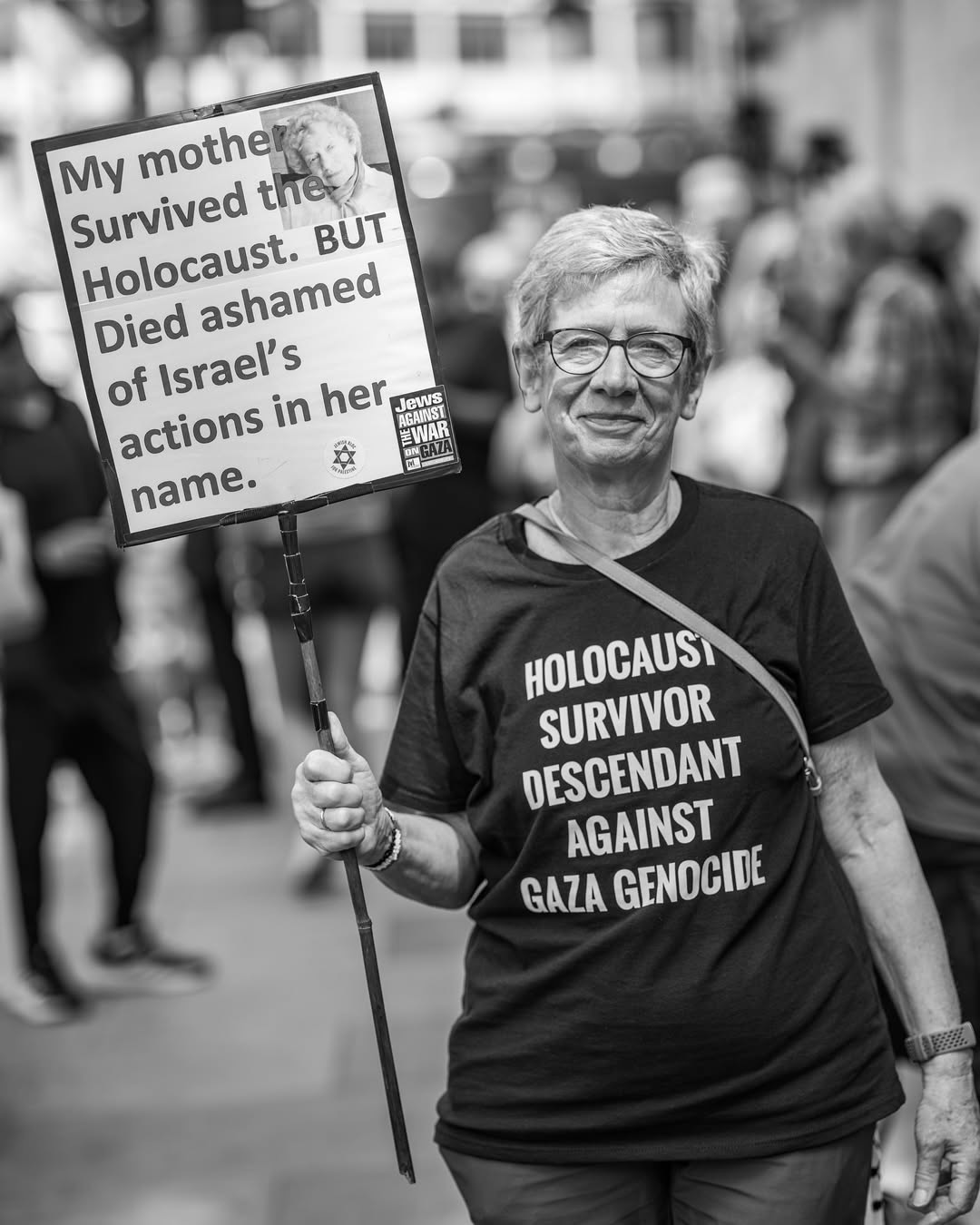
My mother, Claudia Sommer, came to the UK in 1938 from the region of Czechoslovakia known as the Sudetenland after its annexation by Germany. Her mother, Lela, and father, Ernst, also came, but separately. Other members of the family perished.
As the situation deteriorated for them at home, they had discussed where they might emigrate and had considered the Congo and other places, but Claudia insisted that they come to the UK.
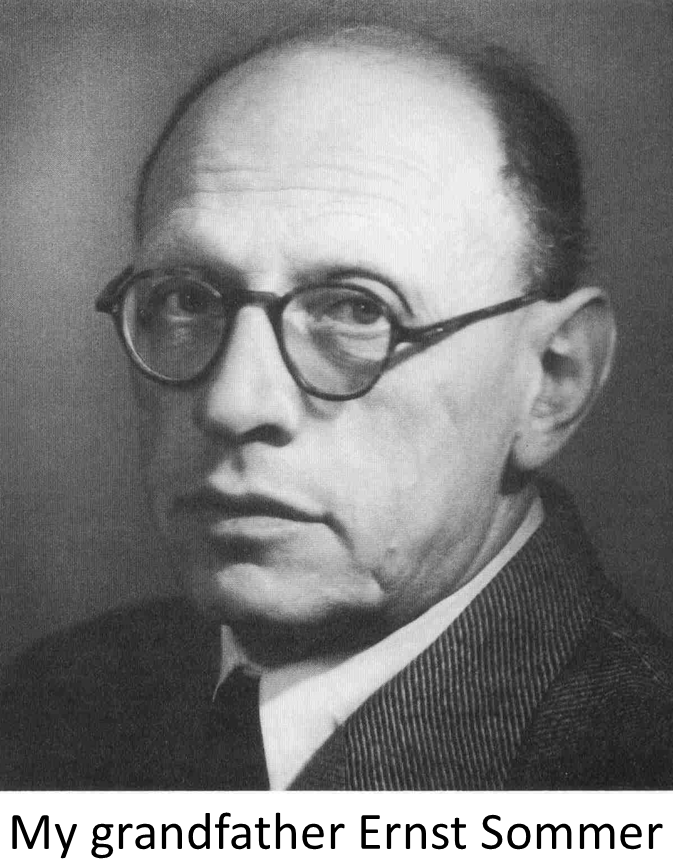
Ernst Sommer was a Jewish German-Bohemian writer, lawyer, city councillor and Social Democratic activist in Karlsbad/Karlovy Vary. Although he was on the Nazi death list early on as a magistrate and agitator, he waited too long to leave and had to leave everything behind in a hurry.
Ernst was barred from practising law in Britain, but he continued to write, and a grant from the Czech Government in Exile enabled him to devote his time to this. His 1942 short story Die Gaskammer (The Gas Chamber) and the novel Revolte der Heiligen (Revolt of the Saints) written in 1943 may be the earliest literary accounts of the Holocaust. The novel is set in a German forced labour camp in occupied Poland. Ernst sets the plight of the Jewish prisoners in the context of the political conflict between Nazis bent on their extermination and those who argued that they should be kept alive as long as their labour benefited the German war effort. Read more…
Chris Romberg’s Story

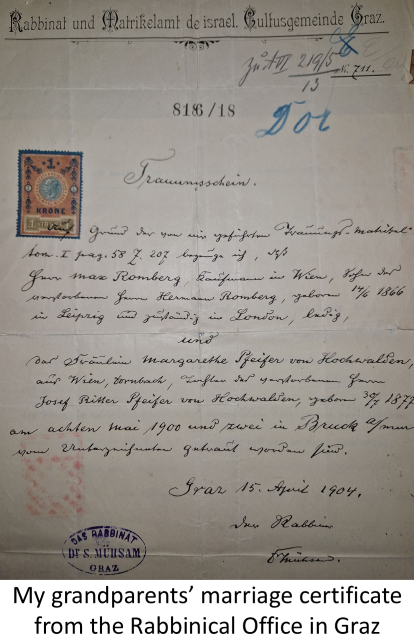
My grandfather, Max Romberg, was born to Jewish parents in Leipzig, Saxony, in 1866. My grandmother, Margarethe Romberg, was born as Margarethe Pfeifer von Hochwalden to Jewish parents in Vienna, Austria, in 1877. They were married in 1902. My father, Harold Romberg, was born into this Jewish family in Vienna in 1913.
My grandfather had acquired British citizenship by naturalization while temporarily working in Manchester in 1894. As a result, his wife and children were also British citizens. Other than their passports, they were in all respects German and Austrian: home, culture, language, education, profession. However, the British passports saved their lives.
My father was born into this Jewish family in 1913. Two years later during the First World War, the family converted to Christianity like many Austrian Jews. However, for the Nazis, so-called assimilation and religious conversion were irrelevant: for the Nazis, the family was of ‘Jewish blood’.
Carolyn Gelenter’s Story
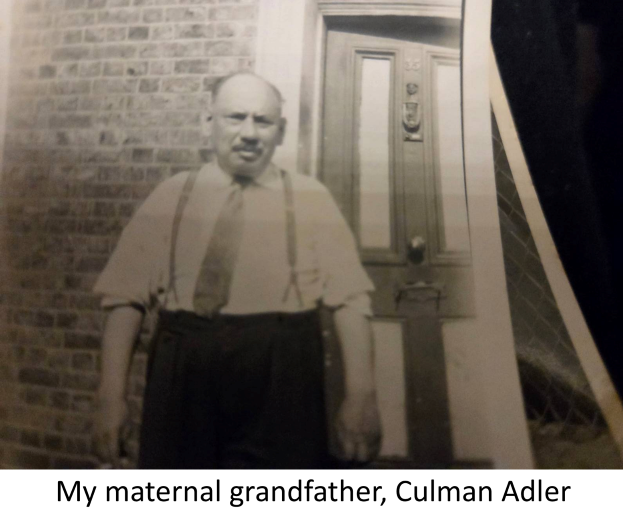
I don't know much about my dad, James Gelenter, but have recently managed to find out where he was born – in the Polish town Parczew near Lublin. I only know this story from my mother, who herself was the child of Russian immigrants (ethnically Polish but with Russian passports) to the UK in the early 20th century, escaping the pogroms in Poland/Russia. I am not sure where my grandfather, Culman Adlerfliegal (shortened to Adler in the UK), was born in Poland/Russia. My grandmother, Yetta Morganstern, was born in the UK to Russian immigrants and only spoke Yiddish; she had a cigarette stall at the Roman Road Market in London.
I believe that my paternal grandfather, Tuvya Gelernter, had a bike shop or factory in Parczew and died when my father, then called Icko (short for Yitzchak), was only 3 years of age. When Poland was invaded by Germany and the Soviet Union in 1939, Lublin fell to the Germans, but my father was captured by the Russians. Many Poles, including many Polish Jews, refused to take Russian citizenship and were arrested and sent to various remote parts of the Soviet Union. My father was sent to a forced labour camp in Siberia working in a salt mine. Terrible as this was, it ultimately saved his life; if he’d stayed in Lublin, he would almost certainly have been murdered by the Germans.
Glenn Bassett’s Story
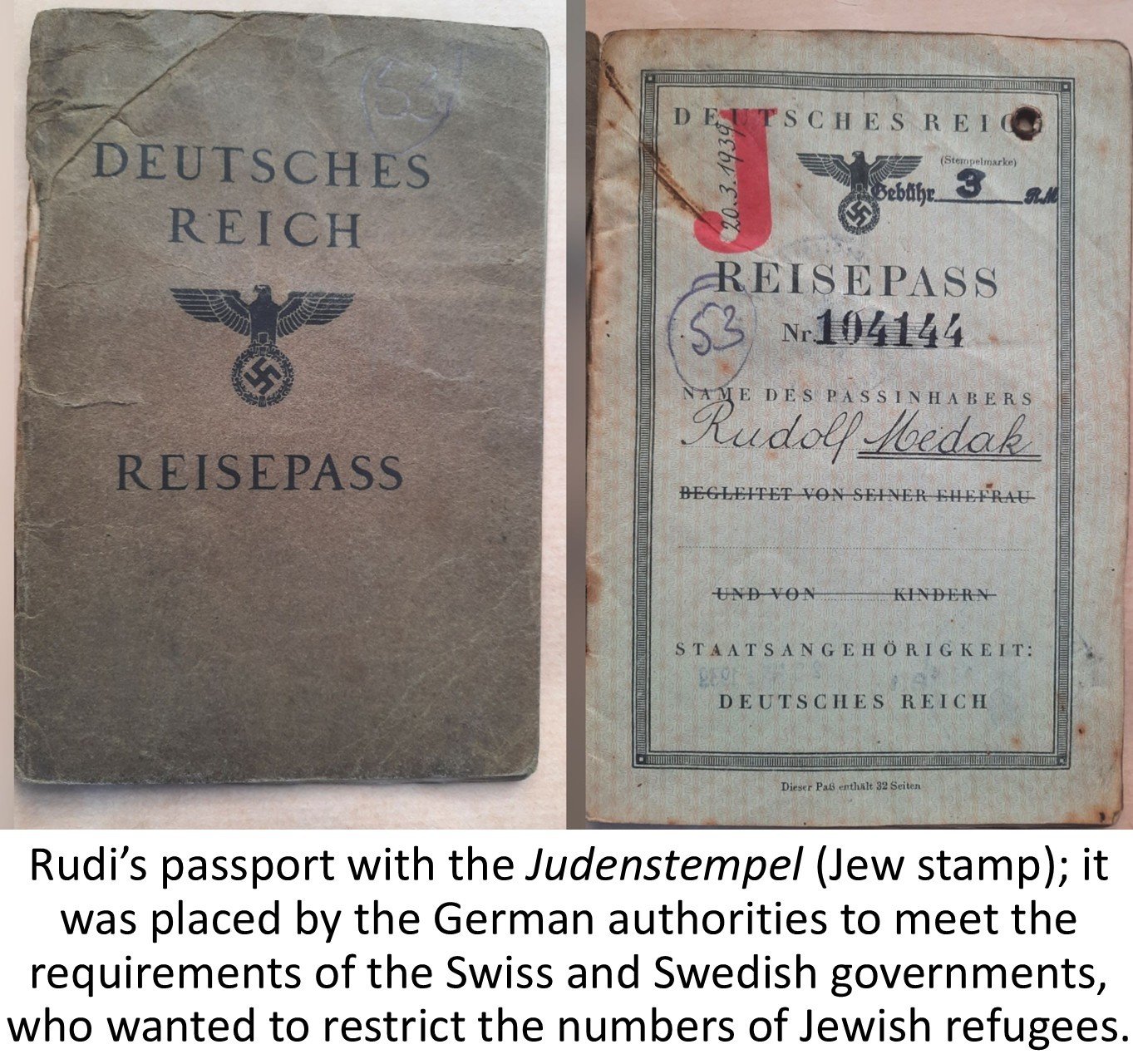
My mother’s parents both separately fled Nazi-occupied Vienna in 1938/9, before they knew each other. Their names were Rudolf (Rudi) Medak and Edith Meisel. There are swastikas stamped in their passports, with a big red ‘J’ marking them as Jews.
Edith’s family were from Prague, but my grandmother moved to live in Vienna to study nursing. She recalled a cousin writing to her in 1934, announcing that he was planning on joining the Nazi party (though he died before this could happen). She had picked up a good level of English, so when the Nazis invaded in 1938 her mother urged her to flee to England, where she was interned on the Isle of Man. Her mother, grandmother, aunts and cousins remained in Prague, hoping they would be safe. Edith and her mother corresponded until 1941, when the letters from her mother abruptly stopped. My own mother’s recollection is that some of those letters were from Prague, but later ones were from a camp. After the war, Edith burned the letters and would not speak about them. I never heard her talk about her family.
Charlotte Reynolds’ and Perdita Heller’s Story
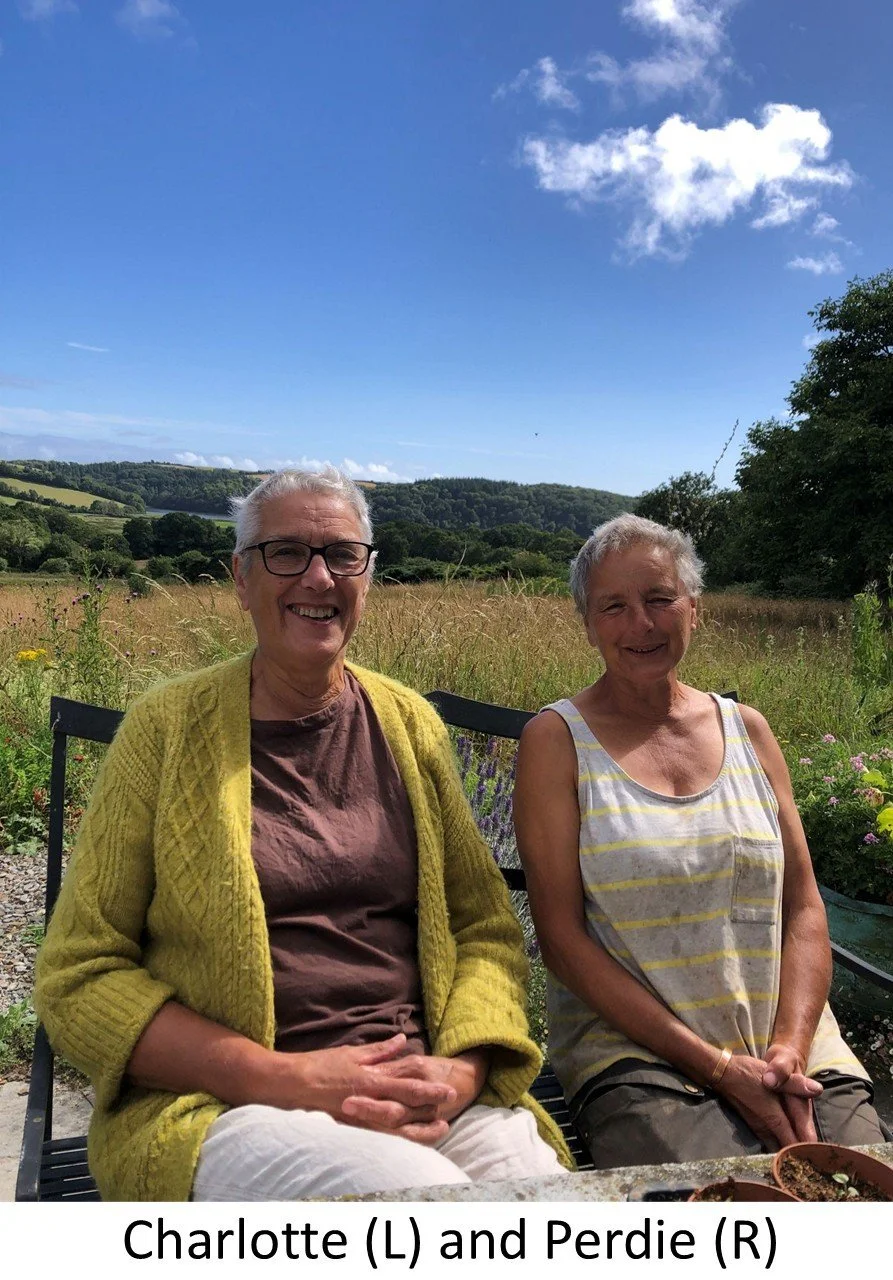
We are sisters and we owe our existence to the kindness of an English family of strangers who agreed to take in two little Jewish boys, our father and his brother, allowing them to escape Nazi persecution in Vienna on one of the Kindertransports.
We were also extraordinarily privileged to know our Jewish Viennese grandfather because of the extreme bravery of a few non-Jews living in Vienna during Nazi occupation who hid our grandparents and who were active members of the underground resistance.
While our grandfather had no other surviving siblings when the war began, our grandmother was one of a large family, but sadly, like so many other families, we now have no extended family as virtually all were killed in the Holocaust.
Our grandparents survived the war in hiding, but the strain on our grandmother meant her health had suffered very badly and she died in 1950. Our father stayed in the UK to study and met our mother at university. Our uncle, who was two years younger, was sent back to his parents in Austria and a much more difficult life in a Vienna that was still riddled with antisemitism.
Gene Feder’s Story
My mother, Marika Boehm, was born in Keszthely, Hungary in 1925. Most of her family were murdered in Auschwitz, including her father Jeno (Eugene), a cousin, grandmother, grandfather, and great uncle. My mother and grandmother, Elizabeth, survived.
Pity only pity
Only child
on the shores of Lake Balaton
laughing with Eva on the dock
sun sparkling on waves lapping
from passing boats
Foreboding hangs heavy
in your dreams
parents next to the radio
grim faced shaking their heads
as harsh words fill the room
Running home with your diploma
graduated with distinction
So what?
says your doting father
We are going to the ghetto tomorrow